
Compressed air is a critical utility in many industrial facilities. It powers pneumatic equipment, supports automation and instrumentation, assists manufacturing processes, and provides reliable air for applications where controlled, pressurized air is required. Because production can depend on the availability and quality of compressed air, the system needs to be designed as an integrated utility rather than treated as simply an air compressor.
At SOC Energy Services Ltd, we provide engineered industrial compressed air systems for manufacturing plants, oil & gas facilities, processing industries, mining operations, infrastructure projects, and other demanding industrial environments across Nigeria. Our approach considers the complete system, including compression, air treatment, storage, distribution, controls, operating requirements, and long-term support. Our solutions are developed around the client’s actual operating requirements, helping organizations achieve dependable air supply, appropriate air quality, efficient operation, and long-term equipment reliability.
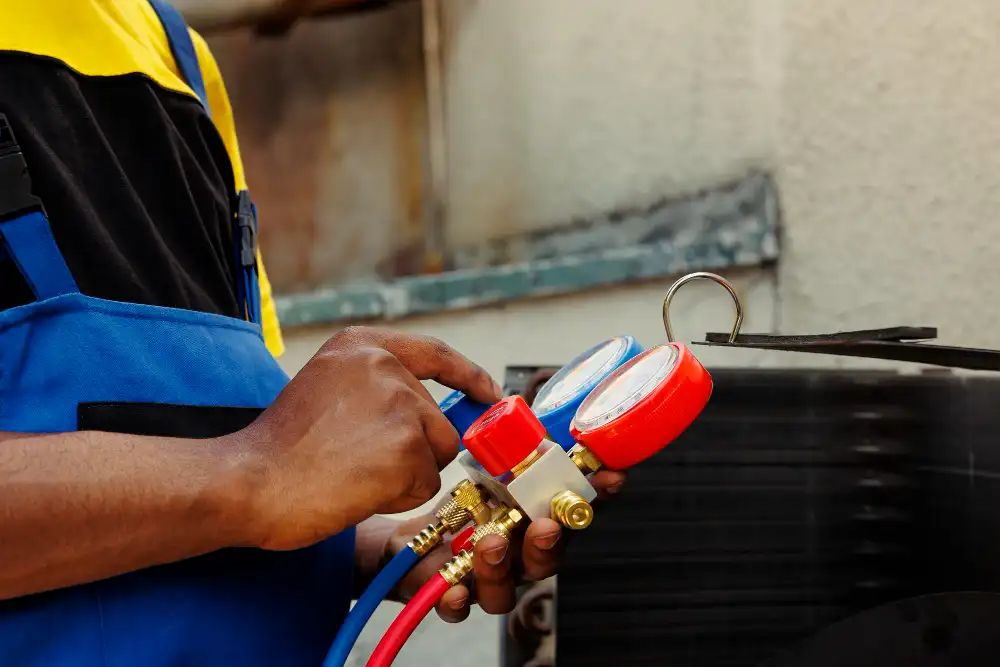
What Is an Industrial Compressed Air System?
An industrial compressed air system is an integrated arrangement used to generate, treat, store, and distribute compressed air throughout a facility.
A complete system can include:
- Industrial air compressors
- Air receivers and storage vessels
- Air dryers
- Filtration systems
- Pressure regulation equipment
- Air distribution piping
- Valves and controls
- Monitoring and control systems
- Condensate management equipment
The compressor generates the compressed air, while the downstream equipment ensures that the air reaches the point of use at the required pressure and quality.
This distinction is important. A compressor can be correctly selected and still deliver poor plant performance if the air treatment, storage, piping, controls, or distribution network are not properly designed.
Industrial compressed air systems are widely used for pneumatic tools, production equipment, automation, material handling, cleaning, blowing, packaging, and other industrial processes.
Industrial Compressed Air Systems Designed Around Your Operation
There is no single compressed air configuration that is suitable for every industrial facility.
The right system depends on factors such as required airflow, operating pressure, duty cycle, number of users, air quality requirements, production schedule, environmental conditions, available power, future expansion, and the consequences of a loss of compressed air.
For example, a manufacturing facility may require compressed air primarily for production machinery and pneumatic tools, while an oil & gas facility may require a highly reliable instrument air system to support control valves, actuators and instrumentation.
SOC evaluates these operational requirements before recommending an appropriate system configuration.
Our engineering-led approach can include equipment selection, system configuration, OEM coordination, integration, installation support, commissioning, and lifecycle considerations.
Instrument Air Systems for Critical Industrial Applications
Instrument air is not simply general-purpose compressed air.
It is compressed air that has been treated to meet the quality requirements of sensitive instrumentation and pneumatic control equipment. Instrument air systems typically incorporate compression, filtration, drying, storage and distribution to provide clean, dry and reliable air to devices such as control valves, actuators and other pneumatic instruments.
Air quality is particularly important because moisture, oil and particulate contamination can affect pneumatic equipment and instrumentation.
ISO 8573-1:2010 classifies compressed-air purity according to contaminants including particles, water and oil, with additional consideration of gaseous and microbiological contaminants. The required purity class should therefore be determined by the specific application rather than assuming every compressed-air user requires the same air quality.
For facilities where instrument air is critical to process control and operational safety, proper compressor selection, drying, filtration, storage and distribution are essential.
Key Components of a Compressed Air System
Industrial Air Compressors
The compressor is the primary source of compressed air. Compressor selection should consider required flow, pressure, operating hours, duty requirements, future demand and the environment in which the equipment will operate.
Selecting a compressor based only on its advertised capacity can result in inefficient operation or insufficient air supply.
Air Dryers and Filtration
Compressed air can contain moisture, oil and particulate contaminants. Dryers and filters help condition the air before it reaches sensitive equipment or production processes.
The required treatment depends on the application and specified air-quality requirements.
Air Receivers
Air receivers provide storage capacity and help manage variations between compressed-air generation and demand. They can also help stabilize system pressure and reduce unnecessary compressor cycling when correctly sized and integrated.
Distribution Systems
The distribution network is just as important as the compressor itself. Poorly designed piping, excessive pressure drops, leaks and inappropriate sizing can reduce the performance of an otherwise capable compressor system.
Research on industrial compressed air systems consistently identifies leakage, pressure losses and poor system design as important sources of inefficiency.
Improving Compressed Air Efficiency and Reliability
Compressed air can be one of the more energy-intensive utilities in an industrial facility. The cost of the system therefore extends well beyond the initial purchase of the compressor.
Energy consumption, maintenance, leakage, pressure requirements and operating patterns all contribute to lifecycle costs.
A properly engineered system should therefore consider:
- Actual rather than assumed air demand
- Leakage detection and reduction
- Appropriate operating pressure
- Compressor loading and unloading
- Air treatment requirements
- Pressure drops throughout the network
- Storage capacity
- Maintenance requirements
- Future production expansion
- Energy efficiency
This is why SOC approaches compressed air as part of the broader industrial process and utility systems required to keep a facility operating reliably.
For facilities evaluating multiple utilities or looking for an integrated industrial solution, see our industrial process and utility systems capabilities.
Compressed Air Solutions for Nigerian Industrial Operations
Industrial facilities in Nigeria can face demanding operating conditions, including variable production requirements, challenging environments, power considerations and the need for dependable technical support.
SOC combines international OEM partnerships with local engineering coordination to help clients specify, source, integrate and support compressed air systems appropriate for their operations.
Our role can extend beyond equipment supply to include technical coordination, system integration, commissioning support and lifecycle planning.
Where compressed air forms part of a wider plant development or upgrade, our engineering and project execution capabilities can support the coordination of related engineering and project requirements.
We also recognize that compressed air is rarely an isolated plant utility. Industrial facilities may simultaneously depend on pumps, gas systems, vacuum systems and other utilities. This makes proper system coordination and integration important when developing or upgrading plant infrastructure.
For related fluid-handling requirements, explore our industrial pump systems capabilities.
Frequently Asked Questions About Compressed Air Systems
What are industrial compressed air systems used for?
Industrial compressed air systems are used to supply pressurized air for pneumatic tools, production equipment, automation, instrumentation, process operations, cleaning, packaging and other industrial applications. The exact application determines the required pressure, airflow and air quality.
What is the difference between compressed air and instrument air?
Instrument air is a form of treated compressed air intended for instrumentation and pneumatic control applications. It generally requires tighter control of contaminants and moisture than general-purpose plant air because sensitive control equipment depends on consistent air quality.
For a more detailed explanation, read how industrial compressed air systems work.
What components are included in an industrial compressed air system?
A typical system may include compressors, receivers, dryers, filters, regulators, piping, valves, controls and monitoring equipment. The exact configuration depends on the facility’s air demand, pressure requirements and required air quality.
How can a compressed air system reduce energy consumption?
Energy efficiency starts with correctly matching supply to demand. Reducing leaks, minimizing unnecessary pressure, controlling compressor operation, reducing pressure drops and maintaining dryers and filters can all contribute to better system efficiency.
How do I choose the right industrial air compressor?
Compressor selection should consider required airflow, operating pressure, duty cycle, air quality, operating environment, expected demand growth and lifecycle requirements. The compressor should be selected as part of the complete compressed-air system rather than as an isolated piece of equipment.
Why is air quality important in industrial compressed air systems?
Moisture, oil and particles can affect pneumatic equipment, instrumentation and processes. The appropriate treatment and filtration requirements depend on the application and required air-purity specification. ISO 8573-1 provides a framework for classifying compressed-air purity according to contaminants such as particles, water and oil.
Engineered Compressed Air Systems for Industrial Operations
A reliable compressed air system requires more than installing a compressor. It requires the right combination of equipment, air treatment, storage, distribution, controls and ongoing technical support.
SOC Energy Services helps industrial organizations in Nigeria develop compressed air and instrument air solutions around their operational requirements, with support extending from technology selection and technical procurement to integration, commissioning and lifecycle considerations.
Need a compressed air system for an industrial project or facility upgrade? Contact SOC Energy Services to discuss your operating requirements and system needs.
