
SOC Energy Services Ltd supports industrial organizations in Nigeria with industrial safety solutions, helping clients source and coordinate safety equipment designed for demanding operational environments. Our capabilities include gas detection, fire suppression, emergency response equipment, spill-control equipment and PPE, supported by technical procurement and lifecycle services.
What Are Industrial Safety Solutions?
Industrial safety solutions are systems, equipment and services designed to help identify, prevent, control or respond to hazards within industrial environments.
Depending on the facility and risk profile, these can include:
- Gas detection systems
- Fire detection systems
- Fire suppression systems
- Emergency shutdown systems
- Personal protective equipment
- Spill response equipment
- Emergency response equipment
- Safety instrumentation
- Fixed and portable detection equipment
- Industrial safety accessories
The appropriate solution depends on the hazards present at the facility.
A manufacturing plant, offshore platform, drilling site and mining operation may have very different safety requirements.
Why Industrial Safety Equipment Matters
Industrial safety equipment is designed to provide protection when hazards cannot be completely eliminated through engineering or operational controls.
For example, a facility may use:
- Gas detection to identify hazardous gases
- Fire detection to identify potential fire events
- Fire suppression to control or extinguish fires
- PPE to protect personnel
- Emergency shutdown systems to help place equipment into a safer condition
These systems can form part of a wider safety strategy.
The objective is not simply to purchase safety equipment, but to ensure that the equipment is appropriate for the facility, correctly specified and maintained throughout its operational life.
Gas Detection Systems
Gas detection is an important part of safety management in environments where hazardous or combustible gases may be present.
Gas detection systems can be used to identify gases before concentrations reach dangerous levels.
Depending on the application, systems may detect gases such as:
- Hydrogen sulfide
- Carbon monoxide
- Methane
- Oxygen deficiency
- Other combustible or toxic gases
Gas detection can be implemented using fixed or portable equipment.
Fixed Gas Detection
Fixed gas detection systems are permanently installed in designated areas of an industrial facility.
They can be positioned around areas where gas leaks may occur.
A fixed system may include:
- Gas detectors
- Control panels
- Alarms
- Visual indicators
- Audible alarms
- Communication interfaces
- Emergency shutdown interfaces
The system can continuously monitor defined areas and alert personnel when detected gas concentrations reach configured levels.
Portable Gas Detection
Portable gas detectors provide personnel with mobility while working in potentially hazardous environments.
They may be used by:
- Maintenance teams
- Inspection personnel
- Drilling crews
- Plant operators
- Contractors
- Emergency response teams
Portable devices can be particularly useful when workers move between different areas of a facility or need to enter locations where hazardous gases may be present.
The appropriate detector depends on the gases involved, operating environment and required monitoring strategy.
Fire Detection Systems
Early detection can be an important component of industrial fire protection.
Fire detection systems can include technologies designed to identify conditions associated with fire, such as:
- Smoke
- Heat
- Flame
Depending on the facility, fire detection systems can be integrated with alarms, control systems and emergency shutdown functions.
The design should reflect the characteristics of the facility and the hazards that may be present.
Fire Suppression Systems
Fire suppression systems are designed to control or extinguish fires when they occur.
Different environments can require different suppression approaches.
Depending on the application, systems may involve:
- Water-based suppression
- Foam systems
- Clean-agent systems
- Specialized suppression systems
- Portable fire suppression equipment
The selection of a suppression system should consider the type of hazard, equipment involved, environment and applicable project requirements.
Emergency Shutdown Systems
Some industrial facilities require systems capable of placing equipment or processes into a safer state during an emergency.
Emergency shutdown systems can interact with:
- Process equipment
- Control systems
- Gas detection
- Fire detection
- Valves
- Pumps
- Compressors
For example, a detected hazardous condition may trigger predefined actions depending on the facility’s safety philosophy.
This is why safety systems need to be considered alongside the wider industrial process and utility systems within a facility.
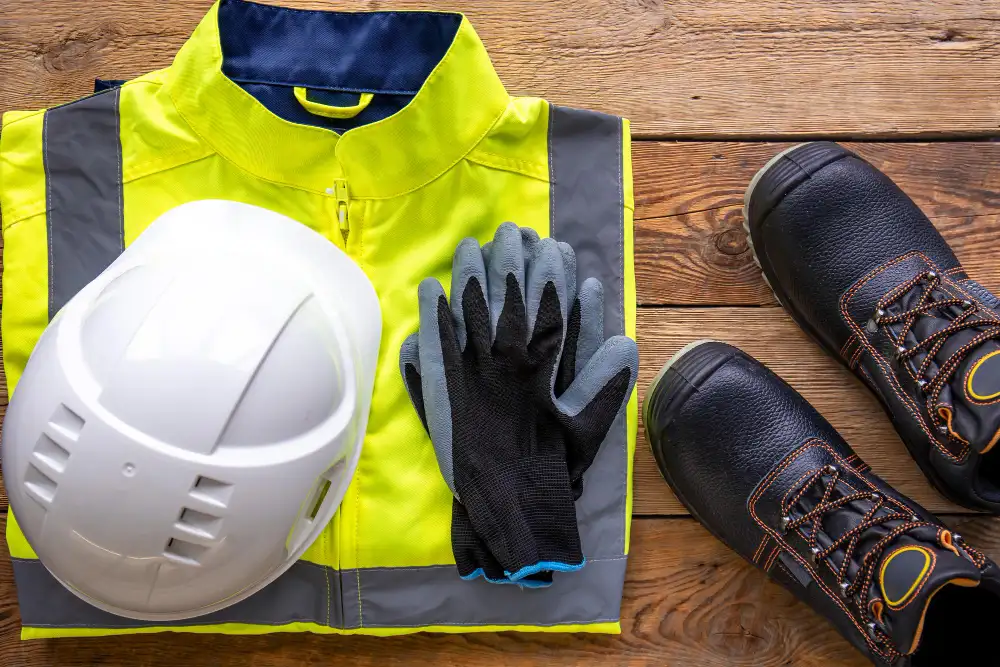
Personal Protective Equipment
Personal protective equipment, commonly referred to as PPE, provides workers with protection against specific workplace hazards.
Depending on the environment, PPE may include:
- Safety helmets
- Protective eyewear
- Safety footwear
- Gloves
- Protective clothing
- Respiratory protection
- Hearing protection
- Fall protection equipment
- Chemical-resistant clothing
PPE should be selected based on the actual hazards workers may encounter.
It should also be properly maintained, inspected and replaced when necessary.
PPE Is Part of a Wider Safety Strategy
PPE should not be considered the only method of protecting workers.
Industrial safety typically involves multiple layers of protection.
These can include:
Hazard identification
↓
Engineering controls
↓
Administrative and operational controls
↓
Emergency systems
↓
Personal protective equipment
PPE provides an important layer of protection, but it works alongside other safety measures.
For example, gas detection can identify a hazardous atmosphere while appropriate PPE provides additional protection for personnel.
Industrial Safety for Oil & Gas Operations
Oil & gas facilities can involve several hazards, including flammable materials, hazardous gases, high pressures and complex process equipment.
Safety solutions may therefore include:
- Fixed gas detection
- Portable gas detection
- Fire detection
- Fire suppression
- Emergency shutdown interfaces
- PPE
- Spill response equipment
- Emergency response equipment
The specific safety systems required depend on the facility, process, operating environment and applicable requirements.
Industrial Safety for Manufacturing
Manufacturing facilities can also involve significant safety risks.
Depending on the operation, hazards may include:
- Machinery
- Heat
- Chemicals
- Combustible materials
- Dust
- Pressurized systems
- Electrical equipment
Safety equipment should be selected based on the specific processes and hazards present.
Gas detection, fire protection, PPE and emergency response equipment can form part of the overall safety infrastructure.
Industrial Safety for Mining and Drilling
Mining and drilling environments can present additional challenges because operations may take place in remote or demanding locations.
Potential safety requirements can include:
- Gas monitoring
- Portable detection
- Fire protection
- Emergency response equipment
- Protective clothing
- Respiratory protection
- Safety footwear
- Spill equipment
For drilling operations, equipment may also need to be suitable for hazardous areas and demanding field conditions.
Safety considerations should therefore be incorporated into equipment selection and technical procurement from the beginning.
Hazardous Area Safety
Certain industrial environments may be classified as hazardous areas because flammable gases, vapors or dust may be present.
Equipment installed in these areas may need to meet specific hazardous-area requirements.
Examples can include equipment designed for:
- Zone 1 environments
- Zone 2 environments
- Other classified areas
Gas detectors, electrical equipment, instrumentation and other devices may need to be appropriately certified for their intended environment.
The specific requirements should be established during engineering and equipment selection.
Industrial Safety Equipment Procurement
Safety equipment should be treated as a technical procurement requirement rather than simply a purchasing exercise.
When selecting safety equipment, organizations may need to consider:
- Hazard type
- Operating environment
- Required performance
- Compatibility
- Certification
- Installation requirements
- Maintenance
- Spare parts
- Calibration
- Supplier support
The wrong equipment can create a false sense of security.
For critical safety systems, technical suitability should therefore take priority over simply finding the lowest purchase price.
SOC Energy Services can support clients with industrial equipment procurement, including the sourcing and coordination of industrial safety equipment.
Safety Equipment Maintenance and Calibration
Purchasing safety equipment is only the beginning.
Gas detectors, fire systems and other safety equipment may require periodic inspection, testing, maintenance or calibration.
For example, gas detection equipment needs to remain capable of providing reliable readings.
Maintenance programmes may include:
- Inspection
- Functional testing
- Calibration
- Component replacement
- Battery replacement
- System testing
- Documentation
Lifecycle support helps ensure that safety systems continue to perform their intended function after installation.
OEM vs Alternative Safety Equipment
Industrial safety equipment may be available from different manufacturers and suppliers.
When evaluating equipment, organizations should consider:
- Technical compatibility
- Certification
- Reliability
- Availability
- Manufacturer support
- Spare parts
- Maintenance requirements
- Lifecycle cost
For critical components, the consequences of using an unsuitable replacement can be significant.
This is why decisions involving replacement safety components should consider both technical requirements and lifecycle support.
For equipment replacement decisions more broadly, see our guide to OEM vs aftermarket spare parts.
Integrating Safety Systems With Industrial Systems
Safety equipment does not always operate independently.
Modern industrial facilities may require safety systems to interact with process and automation systems.
For example:
Gas Detection
↓
Safety/Control System
↓
Alarm / Emergency Response
↓
Emergency Shutdown
↓
Process Equipment
This requires careful engineering and system integration.
Gas detection, fire systems, emergency shutdown interfaces and control systems should therefore be considered as part of the overall facility architecture.
Why Lifecycle Support Matters
Industrial safety systems need to remain reliable throughout their operating life.
Lifecycle support can involve:
- Spare parts
- Maintenance
- Diagnostics
- Calibration
- System inspections
- Equipment replacement
- Technical support
- Training
This is why industrial safety connects directly to technical procurement and lifecycle support.
The goal is not simply to install a safety system but to maintain its ability to perform when it is needed.
Frequently Asked Questions
What are industrial safety solutions?
Industrial safety solutions include equipment, systems and services designed to identify, prevent, control or respond to hazards in industrial environments.
What is gas detection used for?
Gas detection systems monitor an environment for specific hazardous, toxic or combustible gases and provide alerts when configured concentration levels are reached.
What is the difference between fixed and portable gas detection?
Fixed gas detectors are permanently installed and continuously monitor defined areas. Portable gas detectors are carried by personnel and provide monitoring while workers move through different areas.
What types of fire suppression systems are used in industry?
Industrial facilities can use different suppression technologies depending on the hazard, facility and equipment involved. These may include water-based, foam, clean-agent and specialized suppression systems.
What does PPE stand for?
PPE stands for Personal Protective Equipment. It includes equipment worn or used by workers to provide protection against specific workplace hazards.
Is PPE enough to protect industrial workers?
No. PPE is one layer of protection within a broader safety strategy that can include hazard identification, engineering controls, operational procedures, detection systems and emergency response systems.
Why is gas detection important in oil and gas?
Oil and gas operations can involve hazardous and combustible gases. Gas detection can provide early warning when dangerous concentrations are detected, allowing appropriate emergency procedures to be initiated.
Does industrial safety equipment require maintenance?
Yes. Many safety systems require periodic inspection, testing, maintenance and, where applicable, calibration to help ensure continued reliable operation.
How should industrial safety equipment be selected?
Selection should consider the hazards present, operating environment, technical requirements, certification, compatibility, maintenance requirements and lifecycle support.
Can safety systems integrate with industrial control systems?
Yes. Depending on the facility design, gas detection, fire detection and emergency shutdown systems can interface with PLC, SCADA and other industrial control or safety systems.
Should industrial safety equipment be purchased from an OEM?
Not necessarily. The important consideration is whether the equipment meets the required technical, safety and certification requirements and can be properly supported throughout its lifecycle.
Building a Stronger Industrial Safety System
Industrial safety is not simply about having safety equipment available.
A reliable safety strategy connects detection, protection, response, equipment, engineering and lifecycle support.
For industrial organizations in Nigeria, this can mean coordinating:
Gas Detection → Fire Protection → Emergency Systems → PPE → Maintenance → Technical Support
SOC Energy Services supports clients with industrial safety solutions alongside technical procurement and lifecycle support.
By combining appropriate equipment with engineering coordination, procurement expertise and ongoing support, industrial organizations can build safety systems designed around the actual risks and operating requirements of their facilities.
