Industrial vacuum systems play an important role in many manufacturing, processing, material handling and field operations. By creating controlled pressure below atmospheric pressure, vacuum equipment can perform tasks that would otherwise require mechanical handling, compressed air or other process technologies.
From removing air and gases from a process to transporting materials, lifting components, collecting dust and supporting packaging operations, vacuum systems can improve efficiency, process control and operational reliability.
However, there is no single vacuum system suitable for every application.
The required vacuum level, airflow, material being handled, operating environment, duty cycle and contamination level all influence the appropriate equipment and system configuration.
This guide explores the major industrial vacuum systems applications, the equipment commonly used and the benefits of implementing a properly engineered vacuum solution.
What Are Industrial Vacuum Systems?
An industrial vacuum system is an arrangement of equipment designed to create and maintain a pressure below atmospheric pressure for a particular industrial process.
A typical system may include:
- Vacuum pumps
- Vacuum blowers
- Receivers
- Filters
- Separators
- Valves
- Regulators
- Vacuum gauges and sensors
- Piping and hoses
- Control systems
The vacuum pump or blower creates the required negative pressure, while the rest of the system transports, controls and conditions the air or gas being removed.
The equipment needs to be selected according to the process.
For example, a system designed to remove dry dust from a manufacturing process will have different requirements from one handling wet liquids, chemical vapours or combustible materials.
SOC Energy Services provides industrial vacuum systems in Nigeria for organizations requiring engineered vacuum equipment and solutions tailored to their operating requirements.
How Are Industrial Vacuum Systems Used?
Industrial vacuum technology is used in a wide range of applications because vacuum can be used to move, hold, separate, remove, dry or process materials.
Some of the most common applications include:
1. Material Handling
Vacuum systems can be used to move materials within industrial facilities.
This can be particularly useful for handling powders, granules and other materials that are difficult to transport mechanically.
Vacuum conveying systems create a pressure differential that draws material through a pipeline from one location to another.
Applications can include:
- Powder handling
- Granule transfer
- Raw material movement
- Production-line feeding
- Pharmaceutical material handling
- Food processing
- Chemical processing
The system must be designed around the characteristics of the material, required conveying distance, flow rate and operating conditions.
2. Vacuum Lifting and Handling
Vacuum can also be used to lift and move objects.
Vacuum lifting systems use suction to grip a surface, allowing equipment or workers to move materials without relying entirely on mechanical clamps or lifting arrangements.
Industrial vacuum lifting can be used for materials such as:
- Glass
- Metal sheets
- Panels
- Packaging materials
- Smooth industrial components
The suitability of vacuum lifting depends on the surface characteristics, weight, shape and operating environment of the material.
3. Packaging Applications
Vacuum technology is widely used in packaging.
Removing air from packaging can help reduce package volume, create a controlled atmosphere or support specific packaging processes.
Applications may include:
- Food packaging
- Pharmaceutical packaging
- Product preservation
- Vacuum sealing
- Packaging machinery
The required vacuum level depends on the packaging process and product requirements.
For facilities using vacuum as part of a production line, the vacuum system needs to provide stable performance during the required production cycle.
4. Industrial Cleaning
Industrial vacuum systems can provide a controlled method for collecting dust, debris, liquids and production residues.
Industrial cleaning applications can include:
- Dust collection
- Metal particles
- Production waste
- Liquid recovery
- Process residue removal
- Heavy-duty housekeeping
Industrial cleaning systems may need to operate for extended periods, so equipment selection should consider continuous-duty requirements, filtration, waste capacity and maintenance.
Where the material being collected could be hazardous or combustible, additional equipment and safety considerations may apply.
5. Filtration Applications
Vacuum can be used to create the pressure differential required for filtration processes.
In industrial filtration, vacuum draws liquid or gas through a filter medium while the material being separated is retained.
Applications can include:
- Water treatment
- Industrial wastewater processing
- Chemical processing
- Sludge dewatering
- Manufacturing processes
The vacuum level and flow rate need to remain appropriate for the filtration process.
An incorrectly sized system may increase energy consumption without delivering the required filtration performance.
6. Industrial Drying
Vacuum can assist drying by reducing the pressure around a material, which can lower the temperature at which moisture evaporates.
This can be useful for processes involving materials that may be sensitive to high temperatures.
Vacuum drying applications can be found in manufacturing, chemical processing, pharmaceutical production and other industries.
The system design depends on the material, required moisture level, drying temperature, vapour load and required production cycle.
7. Degassing and De-Aeration
Vacuum systems can be used to remove trapped air or other gases from liquids and materials.
This process, known as degassing or de-aeration, can improve the consistency or quality of certain products.
Applications may include:
- Chemical processing
- Food production
- Polymer processing
- Resin processing
- Industrial coating
- Manufacturing
The required vacuum level and pumping capacity depend on the material and amount of gas that needs to be removed.
8. Pneumatic Conveying
Vacuum conveying is widely used to move dry materials through enclosed pipelines.
Instead of mechanically transporting a material, the vacuum system creates airflow that draws the material through the conveying line.
This can provide a contained method of transferring powders and granules while reducing manual material handling.
System design should consider:
- Material density
- Particle size
- Conveying distance
- Required flow rate
- Moisture
- Material sensitivity
- Pipeline configuration
9. Process Vacuum
Some industrial processes require vacuum as part of the actual production process.
Process vacuum can be used for:
- Evaporation
- Distillation
- Vacuum drying
- Vacuum filtration
- Degassing
- Chemical processing
- Industrial separation
These applications can require precise control of vacuum pressure and continuous operation.
Selecting a vacuum pump based solely on maximum vacuum may therefore be inappropriate. The system must be evaluated across the actual operating range.
10. Dust and Waste Collection
Industrial vacuum systems can be integrated into dust and waste collection systems to remove unwanted particles from production areas or equipment.
This can help maintain cleaner work environments and prevent the accumulation of material around machinery.
The filtration system is particularly important because the vacuum equipment must handle the material without allowing harmful particles to pass through the exhaust.
Where dust may be combustible or hazardous, the system must also be designed around the relevant safety requirements.
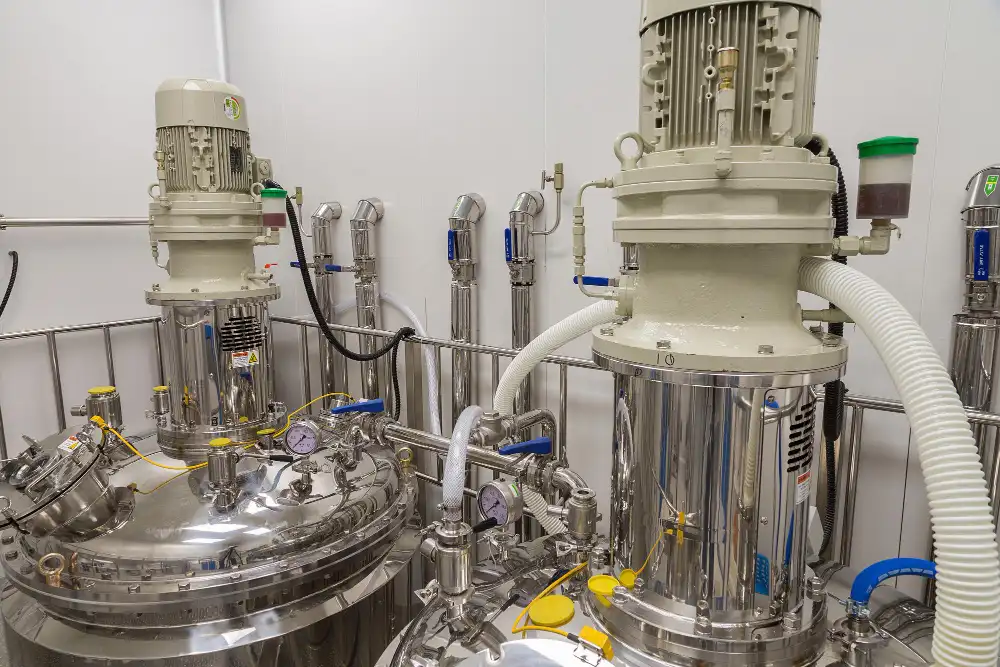
Vacuum Pumps vs Vacuum Blowers
One of the common questions when selecting industrial vacuum equipment is whether to use a vacuum pump or vacuum blower.
The answer depends on the required operating point.
Vacuum pumps are generally used where deeper vacuum levels are required.
Vacuum blowers can be suitable where high airflow is needed at relatively lower vacuum levels.
Some industrial systems may use different technologies at different stages of the process.
The decision should consider:
- Required vacuum level
- Required airflow
- Operating pressure
- Duty cycle
- Gas composition
- Moisture
- Contamination
- Energy requirements
SOC also provides industrial blower solutions for applications requiring high-volume air movement. Explore our industrial blower systems capabilities for more information.
What Are the Benefits of Industrial Vacuum Systems?
A properly designed vacuum system can provide several operational benefits.
Improved Material Handling
Vacuum can provide an enclosed and controlled method of moving powders, granules and other materials.
Reduced Manual Handling
Vacuum lifting and conveying can reduce the amount of manual handling required in certain operations.
Improved Process Control
Stable vacuum conditions can help maintain consistent process parameters.
Better Workplace Cleanliness
Industrial vacuum collection systems can help remove dust, debris and production waste from work areas.
Improved Production Efficiency
Automated vacuum systems can integrate directly into production equipment, reducing interruptions associated with manual processes.
Flexible Applications
Vacuum technology can support a wide range of processes, from packaging and material handling to filtration and drying.
However, these benefits depend heavily on correct equipment selection and system design.
What Should You Consider When Selecting an Industrial Vacuum System?
Choosing industrial vacuum equipment based simply on the maximum vacuum rating can result in an unsuitable system.
Important considerations include:
Required Vacuum Level
How much negative pressure does the process actually require?
Airflow or Pumping Speed
How quickly must air or gas be removed?
Material Characteristics
Is the system handling dust, liquids, powders, vapours or other contaminants?
Operating Temperature
Will the equipment operate under high-temperature conditions?
Duty Cycle
Will the system run intermittently or continuously?
Contamination
Could oil, moisture, chemicals or particles enter the vacuum equipment?
Energy Consumption
How much energy will the system require during normal operation?
Maintenance
Are filters, seals and other components accessible and readily serviceable?
Future Requirements
Could production demand increase after installation?
These factors should be considered together.
Common Industrial Vacuum System Problems
Even correctly selected equipment can perform poorly if the wider system is not maintained.
Common problems include:
- Vacuum leaks
- Blocked filters
- Incorrect piping
- Undersized equipment
- Excessive pressure losses
- Contamination
- Worn pump components
- Incorrect operating conditions
- Inadequate maintenance
A sudden loss of vacuum does not necessarily mean that the vacuum pump has failed.
The entire system should be inspected to identify the actual source of the problem.
For example, a blocked filter can restrict airflow and create symptoms that may initially appear to be a pump problem.
Industrial Vacuum Applications in Oil & Gas, Manufacturing and Mining
Vacuum technology has applications across several major industrial sectors.
Oil & Gas
Vacuum equipment can support process applications, fluid handling, recovery, cleaning and other operational requirements.
Manufacturing
Manufacturers can use vacuum for material handling, packaging, lifting, cleaning, filtration and production processes.
Mining
Vacuum technology can support material handling, dust collection and certain processing applications.
Food and Pharmaceutical Processing
Vacuum can be used for packaging, drying, conveying and other controlled processing applications.
Construction and Infrastructure
Industrial vacuum equipment can support cleaning, material handling and specialized equipment applications.
The appropriate system varies significantly between industries and even between individual facilities.
Industrial Vacuum Systems and Broader Plant Utilities
Vacuum systems rarely exist in isolation within a large industrial facility.
They may operate alongside compressed air, pumps, blowers, gas systems, heating and cooling systems and other utilities.
This makes integration important.
A change to one utility can affect another. For example, a vacuum conveying system may rely on compressed air for associated pneumatic controls, while a process may simultaneously require pumps for fluid movement.
SOC approaches these requirements as part of broader industrial process and utility systems, helping clients coordinate related technologies around their overall operational requirements.
Vacuum Systems for Field and Drilling Operations
Vacuum technology can also support certain field applications where equipment needs to operate in demanding or remote environments.
Field operations may place additional requirements on equipment portability, reliability, power availability and ease of maintenance.
Where vacuum equipment forms part of a larger remote operation, it may need to be integrated with other field utilities and equipment.
SOC provides drilling and field support for upstream oil & gas, mining, water, construction and remote energy projects.
Frequently Asked Questions About Industrial Vacuum Systems
What are industrial vacuum systems used for?
Industrial vacuum systems are used for material handling, packaging, filtration, drying, degassing, industrial cleaning, dust collection, vacuum lifting, pneumatic conveying and process applications.
What is the difference between a vacuum pump and a vacuum blower?
Vacuum pumps are generally used when deeper vacuum levels are required, while vacuum blowers are often used when high airflow is required at lower vacuum levels. The appropriate technology depends on the application’s operating requirements.
How do I choose an industrial vacuum pump?
Start by determining the required vacuum level, airflow, material characteristics, temperature, duty cycle, contamination level and operating environment. The pump should then be selected based on the actual operating point rather than its maximum rating alone.
What industries use industrial vacuum equipment?
Manufacturing, oil & gas, mining, food processing, pharmaceutical, chemical, packaging and other process industries use vacuum equipment for different production and operational applications.
Can industrial vacuum systems handle liquids?
Yes. Certain vacuum technologies can be configured for liquid handling and recovery applications. The equipment needs to be appropriately selected based on the liquid characteristics, flow rate and potential contamination.
Can vacuum systems be used for dust collection?
Yes. Industrial vacuum systems can be designed to collect dust and particulate material. Filtration and safety requirements become particularly important when handling hazardous or combustible dust.
Why is my industrial vacuum system losing suction?
Potential causes include leaks, blocked filters, worn pump components, incorrect piping, excessive pressure losses, contamination or insufficient equipment capacity. The complete system should be assessed before replacing the vacuum pump.
How often should industrial vacuum equipment be maintained?
Maintenance frequency depends on the equipment technology, operating hours, material being handled and manufacturer’s recommendations. Systems handling dust, moisture or other contaminants may require more frequent inspection and filter maintenance.
Can vacuum systems improve industrial efficiency?
Yes. Properly designed systems can reduce manual handling, improve material transfer, support automation, improve process consistency and reduce production interruptions. The actual benefit depends on the application and system design.
Choosing the Right Industrial Vacuum Solution
Industrial vacuum systems can perform very different functions, from moving materials and collecting dust to supporting filtration, drying, packaging and complex process applications.
The right system begins with understanding the application, not simply choosing a vacuum pump with the highest vacuum rating.
Required vacuum level, airflow, material characteristics, contamination, duty cycle, energy consumption and maintenance requirements all need to be considered before selecting the equipment.
SOC Energy Services helps industrial organizations in Nigeria evaluate and coordinate vacuum solutions as part of their wider plant utility requirements.
Whether you are developing a new facility, upgrading an existing process or experiencing performance problems with an existing vacuum system, proper engineering can help ensure the solution is matched to the actual operational requirement.