
SOC Energy Services Ltd provides industrial vacuum equipment and vacuum solutions for manufacturing, oil & gas, mining, processing, packaging, infrastructure and other industrial applications across Nigeria. We work with clients to identify their operating requirements and coordinate vacuum systems suited to the required vacuum level, flow rate, duty cycle, process conditions and operating environment. Our approach considers the complete system rather than treating the vacuum pump as an isolated piece of equipment.
What Are Industrial Vacuum Systems?
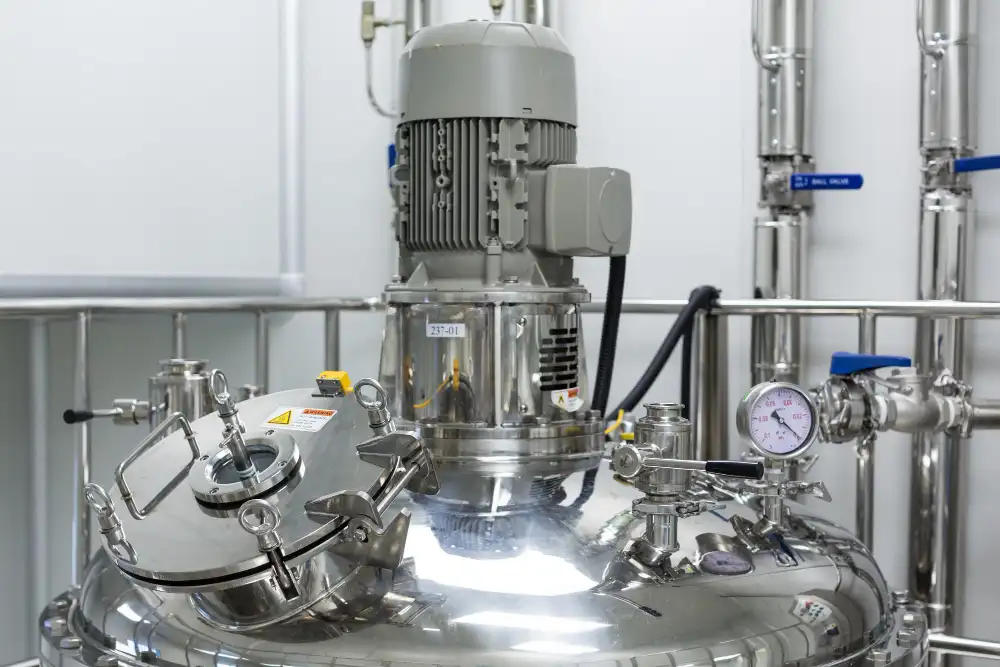
An industrial vacuum system creates and maintains pressure below atmospheric pressure to support a specific industrial process or application.
A complete system can include:
- Industrial vacuum pumps
- Vacuum blowers
- Receivers and storage vessels
- Filters and separators
- Vacuum regulators
- Valves and control systems
- Piping and distribution networks
- Monitoring and instrumentation
- Exhaust and filtration equipment
Different applications require different vacuum levels and equipment configurations. A vacuum system used for material handling may have very different requirements from one used for packaging, filtration or industrial process operations.
This makes proper system specification important.
SOC evaluates the application and operating requirements before coordinating the appropriate technology and configuration.
Industrial Vacuum Equipment for Different Applications
Industrial vacuum equipment can be used across a wide range of processes.
Common applications include:
Manufacturing
Vacuum systems can support material handling, lifting, packaging, forming, clamping and other manufacturing processes.
Packaging
Vacuum equipment is widely used in packaging applications where air needs to be removed from a package or controlled atmospheric conditions need to be maintained.
Material Handling
Vacuum systems can assist in moving powders, granules and other materials through pneumatic conveying systems.
Process Applications
Industrial vacuum equipment can support processes involving evaporation, drying, filtration, degassing and other operations where reduced pressure is required.
Industrial Cleaning
Heavy-duty vacuum systems can be configured for industrial cleaning applications involving dust, debris, liquids and process residues.
The appropriate equipment depends on the material, operating environment, required vacuum level and expected operating duration.
Selecting the Right Vacuum Solution
One of the most important considerations when specifying a vacuum system is understanding the actual process requirement.
Important factors include:
- Required vacuum level
- Airflow or pumping speed
- Operating temperature
- Material being handled
- Moisture and contamination
- Required duty cycle
- Process sensitivity
- Installation environment
- Noise requirements
- Maintenance requirements
- Energy consumption
- Future production requirements
A system that is oversized may consume unnecessary energy and increase capital and maintenance costs. An undersized system may fail to achieve the required vacuum level or maintain performance during peak demand.
For this reason, equipment selection should begin with the application rather than starting with a particular vacuum pump model.
Types of Industrial Vacuum Equipment
Different vacuum technologies can be selected depending on the application.
Rotary Vane Vacuum Pumps
Rotary vane pumps can provide reliable vacuum generation for a range of industrial and process applications. They are commonly used where stable vacuum performance is required.
Liquid Ring Vacuum Pumps
Liquid ring pumps can be suitable for applications where the gas stream contains moisture or where process conditions require equipment capable of handling wet gases.
Dry Vacuum Pumps
Dry-running technologies eliminate the need for operating fluids within the compression chamber and can be useful where contamination of the process environment must be minimized.
Vacuum Blowers
Vacuum blowers can provide high flow rates for applications such as material handling, pneumatic conveying and industrial processes.
The correct technology depends on the required vacuum level, pumping speed, gas composition, moisture content and application conditions.
Vacuum Systems and Industrial Blower Systems
Vacuum equipment and blower systems can perform complementary functions within industrial facilities.
Blowers can be used to move large volumes of air or gas, while vacuum systems create the negative pressure required for specific process applications.
For some industrial applications, selecting between a vacuum pump and blower or combining different technologies requires careful evaluation of airflow, pressure, duty cycle and process requirements.
SOC supports both technologies as part of its broader industrial utility capabilities.
For applications where high-volume air movement is required, explore our industrial blower systems capabilities.
Industrial Vacuum Systems for Nigerian Operations
Industrial facilities operating in Nigeria may need to account for environmental conditions, power availability, maintenance requirements, equipment availability and local technical support when specifying vacuum equipment.
A technically suitable vacuum pump can still create operational challenges if replacement parts are difficult to obtain or qualified technical support is unavailable.
SOC combines international OEM partnerships with local technical coordination to help clients source, integrate and support industrial vacuum systems.
Our involvement may include:
- Application assessment
- Technical equipment selection
- OEM coordination
- Equipment procurement
- System integration
- Installation support
- Commissioning coordination
- Maintenance planning
- Lifecycle support
This approach helps clients consider both immediate system requirements and long-term operational performance.
Vacuum Systems for Oil & Gas and Process Industries
Oil & gas and process facilities can have demanding vacuum requirements involving process equipment, fluid handling, filtration, recovery and other applications.
Equipment selection must account for the process medium and operating environment.
Where gases may contain moisture, hydrocarbons, chemicals, dust or other contaminants, the vacuum technology and associated filtration or separation equipment need to be selected appropriately.
For hazardous environments, equipment selection should also take into account applicable area classifications and safety requirements.
SOC’s engineering and industrial technology capabilities allow vacuum requirements to be considered as part of a broader plant system rather than as an isolated equipment purchase.
Vacuum Systems for Drilling and Field Operations
Vacuum technology can also form part of equipment and utility requirements for field operations.
Remote industrial and drilling environments can require compact, dependable equipment that can operate under demanding conditions and, in some cases, be transported or relocated between sites.
SOC supports clients across drilling and field operations through equipment sourcing, technical coordination and field support.
Explore our drilling and field support capabilities for solutions supporting drilling, mining, water, construction and remote industrial operations.
Improving Vacuum System Performance
Once a vacuum system has been installed, maintaining its performance is essential.
Common issues that can affect vacuum performance include:
- Air leaks
- Blocked filters
- Incorrect pipe sizing
- Excessive pressure losses
- Contamination
- Inadequate maintenance
- Incorrect operating conditions
- Equipment wear
- Poor system configuration
Regular inspection and preventive maintenance can help identify these issues before they cause significant process disruption.
Performance assessments can also help determine whether an existing system is appropriately sized for current operating requirements.
If demand has changed since the original installation, a system that was previously adequate may no longer provide the required performance efficiently.
Industrial Vacuum Solutions from SOC Energy Services
SOC Energy Services supports industrial organizations with engineered vacuum solutions designed around their process and operational requirements.
Our role can extend from technology selection and technical procurement through OEM coordination, integration, commissioning and lifecycle support.
We understand that industrial vacuum equipment needs to do more than achieve a specified vacuum level. It must operate reliably within the actual conditions of the facility and support the process it was designed for.
Our broader industrial process and utility systems capabilities allow vacuum requirements to be coordinated alongside other critical plant utilities.
Frequently Asked Questions About Industrial Vacuum Systems
What are industrial vacuum systems used for?
Industrial vacuum systems are used to create controlled negative pressure for applications such as material handling, packaging, filtration, drying, degassing, cleaning, lifting and various manufacturing and process operations.
How do industrial vacuum systems work?
A vacuum pump or blower removes air or gas from a closed or partially closed system, reducing the pressure below atmospheric pressure. The required vacuum level and airflow depend on the application.
What is the difference between a vacuum pump and a vacuum blower?
Vacuum pumps are generally selected for applications requiring deeper vacuum levels, while vacuum blowers can be advantageous where high airflow is required at relatively lower vacuum levels. The appropriate technology depends on the operating point and process requirements.
How do I choose the right industrial vacuum equipment?
Selection should consider the required vacuum level, pumping speed, operating temperature, gas composition, moisture and contamination, duty cycle, installation environment, energy requirements and maintenance needs.
What industries use industrial vacuum systems?
Industrial vacuum systems are used across manufacturing, packaging, food processing, pharmaceuticals, chemicals, oil & gas, mining, material handling, wastewater treatment and other process industries.
Why is vacuum system maintenance important?
Maintenance helps preserve vacuum performance, identify leaks and contamination, protect equipment and reduce the risk of unexpected downtime. Filters, seals, pumps, valves and other components may require periodic inspection or replacement depending on the system.
What causes poor vacuum performance?
Poor vacuum performance can result from leaks, blocked filters, incorrect piping, worn pump components, contamination, inadequate equipment sizing or changes in process demand. Diagnosing the cause requires evaluating the complete system rather than only the vacuum pump.
Can an industrial vacuum system be integrated with an existing plant?
Yes. Vacuum equipment can be integrated with existing process equipment, piping, controls and plant utilities when properly engineered. The integration should account for the existing system’s capacity, operating conditions and control requirements.
Can SOC provide industrial vacuum equipment in Nigeria?
SOC Energy Services can support industrial clients with technical equipment sourcing, OEM coordination, system integration, commissioning support and lifecycle requirements for industrial vacuum applications.
Engineered Vacuum Solutions for Industrial Operations
Industrial vacuum performance depends on selecting the right technology and integrating it correctly with the process.
SOC Energy Services helps organizations across Nigeria evaluate their vacuum requirements and coordinate industrial vacuum equipment and solutions designed for reliable operation, efficiency and long-term performance.
Contact SOC Energy Services to discuss your industrial vacuum requirements and develop a solution around your application.
